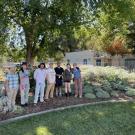
A six-acre stretch along the western edge of West Village, between Russell Blvd. and Hutchison Dr., is becoming something new: a native habitat corridor designed to support wildlife, climate resilience and the surrounding community.
In 2025, we were approached by the San Francisco Succulent and Cactus Society about applying for a grant. The timing was excellent as a large heritage oak tree had recently come down in our Desert collection. Although we were sad about the tree, it did mean our sunny real estate for desert plants was significantly expanded. We applied and were awarded funding from SFSCS to travel to Tucson, Arizona to visit nurseries and botanic gardens with the purpose of learning about best practices for desert horticulture and bringing back plants to add to our collection.
Apply by May 6! Help lead community engagement and landscape management projects with a dynamic team of expert staff, student employees, and interns as a co-coordinator for the Habitat Horticulture team.
A few light sprinkles may be in the forecast for our upcoming plant sale—but seasoned gardeners know that’s actually good news. In fact, this kind of weather creates ideal planting conditions.
At this season’s Friend of the UC Davis Arboretum and Public Garden Plant Sale, a new tree is making its debut—one that’s as resilient as it is delicious—the jujube!
The Power of One, a documentary by director Alex Valdez and producer Pablo De la Fuente, will be featured in a two-day UC Davis campus event celebrating the power of individual and community action in the face of global environmental challenges.
Explore a collection of before-and-after images that capture the rapid transformation of the UC Davis Arboretum Waterway: lush new growth, emerging habitat areas, and the signs of a thriving ecosystem.
Weed Out Stress events bring focused, hands-on attention to campus landscapes. In the process, volunteers step away from screens, spend time outdoors, and experience the restorative benefits that come from working with plants and being immersed in nature.