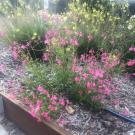
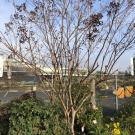
Months of color, drought-tolerant, Valley-appropriate, fast-growing, easy-care — these traits are a few reasons that crape myrtles (Lagerstroemia indica), and their many cultivars, have become one of the most widely used home landscape, commercial, parking lot, median strip, landscape trees in the Sacramento Valley. So, what’s the mystery?
The Arboretum and Public Garden works tirelessly to ensure every person who utilizes its many services is satisfied —and this work has paid off, according to past Academic and Staff Satisfaction Surveys. It's a new year and time for another survey and another chance to offer feedback.
From strides toward a more pollinator-friendly campus to live shots of larvae caterpillars at work, check out our top Facebook posts of 2019. Click on the box to view the full post!
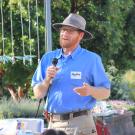
Taylor Lewis, Nursery Manager at the UC Davis Arboretum and Public Garden, was recently added to PlantRight’s Plant List Committee. On the committee Lewis will be assisting the organization in its commitment to stopping the sale of horticultural invasive plants.
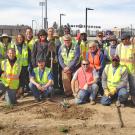
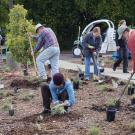
The UC Davis Arboretum and Public Garden is looking for volunteers! This could be your chance to not only work with nature, give back to the community and connect with new people, but also receive expert instruction and an opportunity to be involved hands-on projects that improve the local and regional environment. Deadline to apply is Friday, January 17, 2020.
You have walked in the Arboretum and shown it off to your out-of-town guests, but you may not know that those paths you walk and those plants you enjoy are taken care of by talented teams of trained community volunteers.
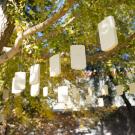
Art installation created by Rocio Perez, a student in Professor Robin Hill's Intermediate Sculpture Class entitled Addiction, 2019, features dozens of fake plaster cell phones hanging from a popular ginkgo tree in the UC Davis Arboretum's East Asian Collection.
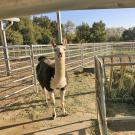
If you haven’t visited the Ruth Risdon Storer Garden in a while you may notice that there are areas ready for new plantings. That’s because a large part of the area was fenced off for an adjacent construction project to accommodate our Veterinary Medicine Teaching Hospital’s large animal blood donors!